I Make Fetch Happen Graphic Design Review
As a designer who has spent years navigating the intersection of digital graphics and physical thread, I approach every new asset with a critical eye. The market is flooded with generic patterns, so finding a piece that actually translates well from screen to fabric requires careful scrutiny. Today, I am evaluating I Make Fetch Happen Graphic Design, a piece marketed primarily as a T-Shirt Designs asset but with potential for much more. My goal here isn't just to tell you what it looks like in a preview window, but to walk you through how this Graphics file behaves when you actually sit down at your machine to stitch a real project.
First Impressions: Concept and Visual Weight
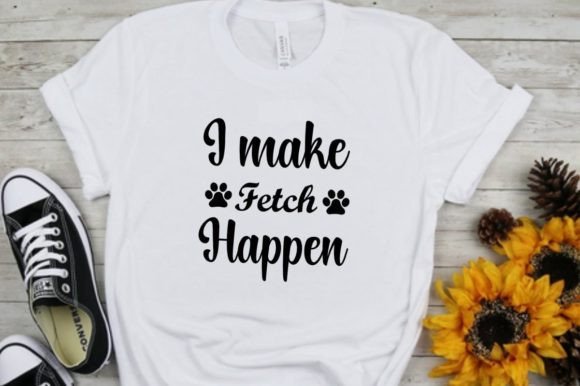
When I first opened the preview for I Make Fetch Happen Graphic Design, the immediate takeaway was its bold simplicity. It carries a playful, energetic mood that fits perfectly within the current trend of witty, personality-driven apparel. The layout is straightforward, avoiding overly complex gradients or microscopic details that often get lost in translation during digitizing. This is crucial because, as any experienced embroiderer knows, a design that looks crisp on a high-resolution monitor can turn into a muddy mess if the stitch density isn't managed correctly.
The visual personality of this design suggests it belongs in the realm of casual, fun wearables. It feels less like a formal logo and more like a statement piece meant to spark conversation. For an Etsy seller or small shop owner looking to add character to their inventory, this kind of concept is gold. However, the transition from a flat graphic to a textured, three-dimensional embroidery project depends entirely on how you manipulate the file and choose your materials.
Real-World Application: From Screen to Stitch
Let's talk about a specific scenario. Imagine you are preparing a custom embroidered tote bag for a local craft fair. You want something that stands out against the canvas texture. If I were using I Make Fetch Happen Graphic Design for this, I would immediately consider the stitch types involved. Since the description notes it is a single-color graphic, the success of the finished product relies heavily on the balance between satin stitch for outlines and fill stitch for the main body.
In a sweatshirt embroidery context, this design could work beautifully on the chest pocket area or centered on the back. The clean lines mean that even on a thicker fabric like fleece, the definition should remain sharp, provided you use the right stabilizer. I've seen too many projects fail because the decorator underestimated the pull of the knit fabric. With I Make Fetch Happen Graphic Design, the lack of intricate inner details reduces the risk of puckering, which is a common nightmare when working with stretchy fabrics.
Consider also the potential for an embroidered patch. Because the concept is self-contained and the imagery is distinct, converting this into a patch format for hats or jackets seems viable. Customers love patches for personalizing their gear, and a witty phrase like "I Make Fetch Happen" adds a layer of humor that increases the perceived value of the handmade product. Whether you are making holiday gifts or personalized items for dog lovers, the versatility of this design allows it to move seamlessly between different product categories.
Navigating Challenges: Where Caution Is Needed
While the design is promising, there are specific situations where I Make Fetch Happen Graphic Design requires extra attention. If you plan to use this on thin fabric, such as a lightweight summer tee, you must be vigilant about backing. Without proper stabilization, the needle holes might show through, ruining the professional look of the custom apparel. Similarly, on dark fabric, a single-color design needs high contrast thread colors to ensure visibility. A light grey thread on a navy hoodie will disappear; you need a bright white or neon to make the message pop.
Curved surfaces present another challenge. If you decide to place this on a cap, the curvature can distort the text and shapes if the hoop size isn't appropriate. You cannot simply force a large design onto a small curved surface without risking misalignment. Always test the design on scrap fabric first, especially if you are pushing the limits of the hoop size. Check whether the design works for both personal and commercial projects by inspecting small details under magnification. Sometimes, what looks fine at 100% zoom reveals jagged edges or uneven spacing when stitched at full scale.
Dense stitch areas are another point of concern. Even though this is a simple graphic, if the digitizing includes heavy fill stitches, it can create a stiff spot on the garment. For baby embroidery or items that need frequent washing, stiffness is undesirable. You want the fabric to remain soft and breathable. In these cases, reviewing the stitch density and perhaps reducing the number of passes in the fill areas can make a significant difference in the final hand-feel of the product.
Strategic Advice for Craft Business Owners
For the creative entrepreneur or digital product seller, understanding the limitations and strengths of I Make Fetch Happen Graphic Design is key to maintaining brand consistency. Before listing this as a service or selling the finished item, create printable mockups to visualize the final result. Compare light and dark fabric backgrounds to see how the thread colors interact with the material. This step builds customer trust, as buyers can see exactly what they are getting.
If you are planning to sell the embroidery file itself as a digital asset, confirm licensing before selling finished items or digital products. Many designers overlook this, leading to legal headaches down the road. Ensure you have the rights to use the design for commercial embroidery. Additionally, always advise your clients to check thread color contrast and review the stitch count relative to their machine's capabilities. Not all machines handle large fills or long running stitches equally well.
The visual appeal of this design directly impacts buyer engagement. A well-executed version of I Make Fetch Happen Graphic Design on a high-quality sweatshirt or pillow cover signals professionalism and care. It elevates a simple item into a gift-worthy piece. However, a poorly executed version—where the text is blurry or the fabric is puckered—can damage your reputation as a maker. The difference lies in the preparation: using proper stabilizer, testing on scrap fabric, and respecting the limitations of the medium.
Final Thoughts on Project Viability
In conclusion, I Make Fetch Happen Graphic Design offers a solid foundation for a variety of embroidery projects. Its strength lies in its clear concept and adaptability across different mediums, from custom apparel to home decor. While it may not be suitable for every single application without modification, it provides excellent opportunities for those willing to put in the necessary prep work. Whether you are a hobbyist creating a personalized gift or a small business owner scaling up your Etsy listings, this design has the potential to deliver a high-quality finished product. Just remember to respect the fabric, choose your threads wisely, and always test before you commit to the final run. With the right approach, this graphic can indeed make fetch happen for your craft business.